Emergency Essentials: Be Prepared for Anything
In a world of uncertainties, being prepared for the unexpected can make all the difference. From natural disasters to unforeseen emergencies, having an Emergency Essentials Kit at your disposal is crucial for ensuring the safety and well-being of yourself and your loved ones. In this article, we dive deep into the realm of emergency preparedness, providing you with an extensive guide on how to equip yourself for any situation that may arise.
From understanding the importance of creating an Emergency Essentials Kit to exploring the essential items that should be included, we cover it all. Additionally, we share expert tips on planning ahead effectively, staying informed during emergencies, and maintaining your emergency supplies so that you can face any challenge with confidence. Join us as we empower you to take control of your safety and security by being prepared for anything that comes your way
From understanding the importance of creating an Emergency Essentials Kit to exploring the essential items that should be included, we cover it all. Additionally, we share expert tips on planning ahead effectively, staying informed during emergencies, and maintaining your emergency supplies so that you can face any challenge with confidence. Join us as we empower you to take control of your safety and security by being prepared for anything that comes your way

Importance of Creating an Emergency Essentials Kit
In today's unpredictable world, being prepared for emergencies is crucial. Creating an emergency essentials kit can make all the difference when disaster strikes. Whether you're facing a natural disaster, a power outage, or even a medical emergency, having a well-stocked kit can provide you with the necessary supplies and tools to navigate challenging situations safely.
Your emergency essentials kit should include a variety of items to cover your basic needs. This may include non-perishable food items, such as canned goods and energy bars, a supply of clean drinking water, a first aid kit, essential medications, and personal hygiene products. You should also consider including items like flashlights, batteries, a multi-tool, a whistle, and a blanket for warmth.
When creating your emergency essentials kit, it's important to tailor it to meet the specific needs of you and your family. Consider any unique circumstances you may face, such as dietary restrictions, medical conditions, or the needs of young children or pets. Make sure to regularly check and update your kit to ensure that all supplies are current and in good condition.
Having an emergency essentials kit readily available can provide you with peace of mind knowing that you are prepared for the unexpected. By taking the time to create a well-thought-out kit, you can ensure that you and your loved ones have the essentials needed to stay safe and comfortable during challenging times. Remember, it's better to be over-prepared than caught off guard when an emergency arises
Essential Items to Include in Your Emergency Kit
In times of unexpected emergencies, having a well-equipped emergency kit can make all the difference. By ensuring you have the necessary supplies readily available, you can navigate through challenging situations with more ease and confidence. Here are some essential items to consider including in your emergency kit:
1. **Water and Non-Perishable Food:** Water is a fundamental necessity for survival, so ensure your emergency kit contains an adequate supply of water. Include non-perishable food items such as energy bars, canned goods, and dried fruits that can sustain you during emergencies.
2. **First Aid Kit:** A well-stocked first aid kit is vital in addressing minor injuries and health issues during emergencies. Make sure your first aid kit includes bandages, antiseptic wipes, pain relievers, tweezers, and any necessary medications.
3. **Flashlight and Batteries:** In situations where power outages occur, a reliable flashlight can provide much-needed illumination. Opt for a durable flashlight and pack extra batteries to ensure extended use.
4. **Blankets and Warm Clothing:** Prepare for unexpected weather conditions by including blankets, thermal sleeping bags, and warm clothing in your emergency kit. Staying warm is essential, especially during prolonged outages or evacuations.
5. **Multi-Tool and Duct Tape:** A multi-tool can serve various purposes in emergencies, from minor repairs to opening canned goods. Additionally, duct tape is a versatile item that can assist in quick fixes and temporary solutions.
6. **Important Documents and Cash:** Safeguard essential documents such as identification papers, insurance information, and emergency contacts in a waterproof container. Have some cash on hand as ATMs may not be accessible during emergencies.
7. **Hygiene and Sanitation Supplies:** Include hygiene items like hand sanitizer, wet wipes, menstrual products, and toilet paper to maintain cleanliness and sanitation standards during emergencies.
8. **Communication Devices:** Keep a portable radio or a charged power bank for your phone to stay informed about developments and communicate with others if needed.
Remember to periodically review and update your emergency kit to ensure all items are in working condition and that your supplies align with your current needs. Being prepared with an organized and well-equipped emergency kit can significantly enhance your ability to tackle unforeseen circumstances effectively
Planning Ahead: Tips for Being Prepared for Any Situation
In a world filled with uncertainties, having a plan in place for any situation can make all the difference when faced with an emergency. Whether it's a natural disaster, a medical emergency, or any unforeseen event, being prepared with the right emergency essentials can be a literal lifesaver. Here are some key tips to help you plan ahead and ensure you have everything you need to stay safe and secure in any situation.
1. Create an Emergency Kit:
Building an emergency kit is the cornerstone of preparedness. Include essentials such as water, non-perishable food, first aid supplies, a flashlight, batteries, a multi-tool, and any necessary medications. Customize your kit to meet the specific needs of your family and pets.
2. Stay Informed:
Knowledge is power, especially in emergencies. Stay informed about potential risks in your area, such as severe weather patterns, local evacuation routes, and emergency protocols. Sign up for alerts from local authorities to stay updated in real-time.
3. Develop a Communication Plan:
In an emergency, communication is key. Establish a communication plan with your family and loved ones, including designated meeting points and emergency contacts. Consider alternative methods of communication in case traditional lines are down.
4. Practice Evacuation Drills:
Being mentally prepared is just as important as having the right supplies. Regularly practice evacuation drills with your family to ensure everyone knows what to do in case of an emergency. Make sure everyone knows how to shut off utilities and secure the home before leaving.
5. Maintain Your Emergency Essentials:
Periodically review and update your emergency kit and supplies. Check expiration dates, replace batteries, and rotate food and water supplies to keep everything fresh and functional. Stay organized so you can grab your essentials quickly when time is of the essence.
By taking the time to plan ahead and gather the necessary emergency essentials, you can face any situation with confidence and resilience. Remember, it's always better to be over-prepared than caught off guard. Stay safe, stay informed, and be ready for anything that comes your way
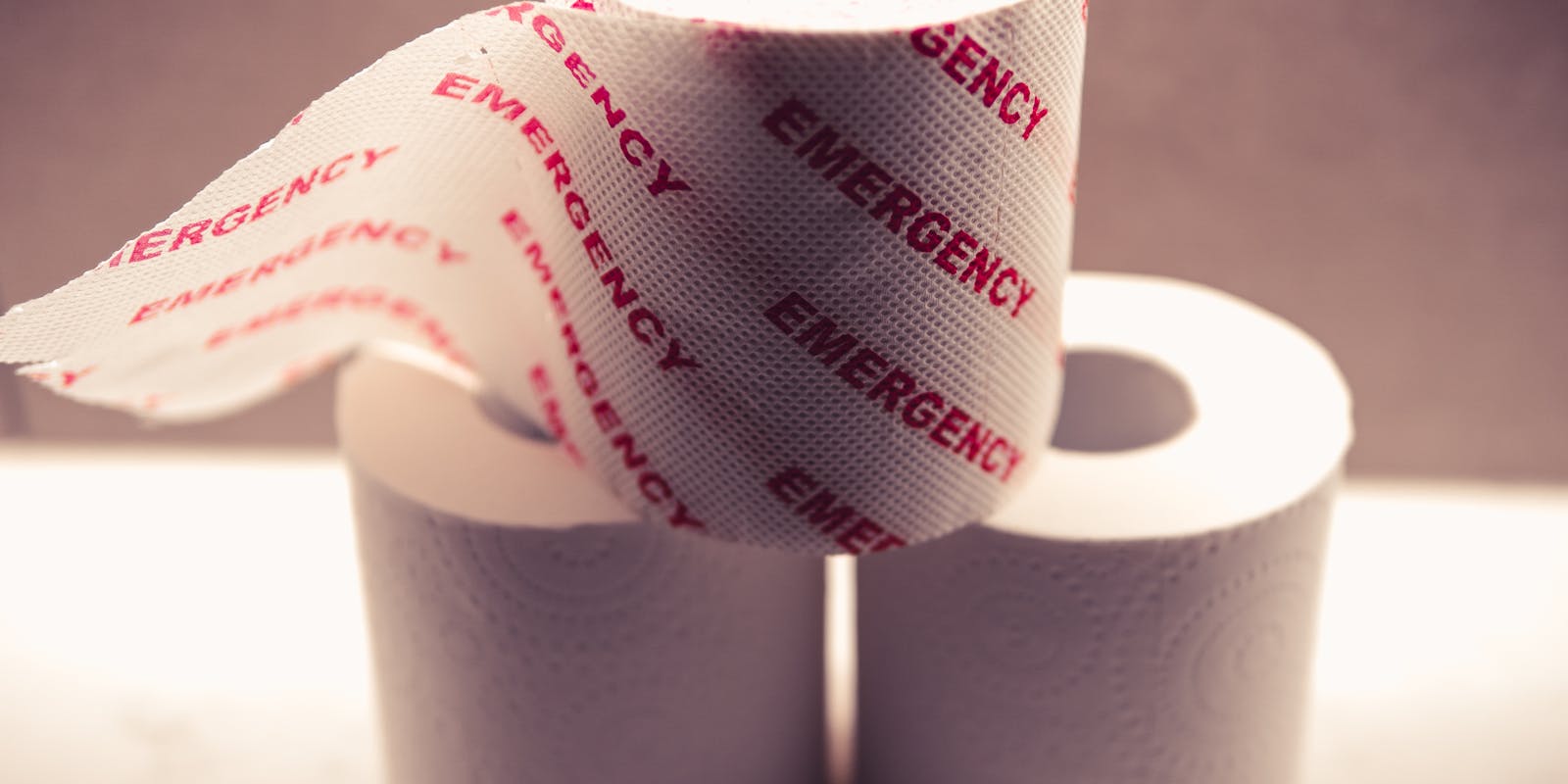
Staying Informed: How to Stay Updated During an Emergency
In times of crisis, staying informed can be the key to staying safe and secure. Knowing how to stay updated during an emergency is crucial when it comes to making important decisions quickly and effectively. Emergency essentials go beyond physical supplies like food, water, and first aid kits; staying informed is equally essential in ensuring your safety and the safety of your loved ones.
One of the most important steps in staying informed during an emergency is to have multiple sources of information. Relying on just one source, such as the news on TV, may not always provide the most up-to-date or accurate information. Make sure to have a battery-powered or hand-crank radio on hand to tune into emergency broadcasts, as well as a fully charged mobile phone with access to emergency alert apps and websites.
Another vital aspect of staying informed is to have a communication plan in place. Ensure that all family members or roommates know how to contact each other in case of an emergency, and establish a designated meeting place if you are separated. Designate one person outside of your immediate area as a central point of contact, in case local communication lines are down.
Furthermore, staying informed means understanding the specific risks and hazards in your area. Stay updated on local weather alerts, natural disasters, or any other potential emergencies that may impact your community. Being aware of these risks allows you to prepare in advance and respond appropriately when needed.
Lastly, don't forget to stay connected with your community. Join local emergency preparedness groups, attend training sessions, and participate in drills or exercises to keep yourself informed and ready for any situation. By staying informed and connected, you can better navigate through emergencies and ensure the safety and well-being of yourself and those around you.
Remember, when it comes to emergency essentials, knowledge is power. Stay informed, stay prepared, and stay safe
Maintaining Your Emergency Essentials Kit: A Step-by-Step Guide
In times of crisis or unexpected emergencies, having a well-prepared emergency essentials kit can make a significant difference in your safety and well-being. However, simply creating the kit is not enough; you must also make sure that it is regularly maintained to ensure that all items are in working order and up to date. Here is a step-by-step guide to help you maintain your emergency essentials kit effectively:
1. **Regular Inspections**: Set a schedule to inspect your emergency kit at least once every six months. Check for any expired items, damaged supplies, or missing essentials.
2. **Update Expirations**: Make sure to replace any expired food, water, medications, or other perishable items. It's crucial to have fresh supplies that you can rely on in case of an emergency.
3. **Battery Check**: Test all electronic devices in your kit that require batteries. Replace any old or corroded batteries to ensure that your flashlight, radio, or other electronic gadgets will work when needed.
4. **Review Documents**: Check important documents in your kit, such as identification papers, insurance policies, and emergency contact information. Update them as necessary to reflect any recent changes in your personal information.
5. **Seasonal Adjustments**: Consider the changing seasons and adjust your emergency kit accordingly. For example, swap out lightweight clothing for warmer layers in colder months and vice versa.
6. **Check for Wear and Tear**: Inspect the condition of your emergency bag or container. Make sure it is in good shape and can withstand rough handling in case of an evacuation or emergency situation.
7. **Practice Makes Perfect**: Regularly review the contents of your kit with your household members. Make sure everyone knows where the kit is stored and how to use the items inside.
By following these maintenance steps, you can ensure that your emergency essentials kit is always ready to help you navigate any unexpected situation with confidence and preparedness. Remember, it's better to be over-prepared than caught off guard when an emergency strikes
Conclusion
In conclusion, being prepared for emergencies with an Emergency Essentials Kit is essential in today's unpredictable world. By understanding the significance of having a well-equipped kit, including vital items, planning effectively, staying informed, and maintaining your supplies, you can face any situation with confidence. Remember, being prepared is key to ensuring the safety and well-being of yourself and your loved ones. Stay proactive, stay equipped, and stay safe with your Emergency Essentials Kit by your side. Let's strive to be ready for anything that comes our way